Service
Training & Capability Transfer
We enable your team to confidently manage, extend and govern your platform over time.

AI Consultancy Service
We help organisations implement AI solutions that are practical, secure, and aligned with operational processes. Our focus is on building AI capabilities that work reliably within your organisation’s technology ecosystem while maintaining strong standards for data management and security.
Overview
Artificial intelligence offers enormous potential for improving productivity, decision-making and operational efficiency. However, successful AI implementation requires more than deploying models or tools. It demands clear governance, structured data environments and secure integration with existing systems.
We work with founders, operations leaders and CTOs exploring how AI can support internal processes, customer interactions, and operational decision-making.
Growth & Enterprise
AI implementation is rarely just a technology decision. It requires careful planning around governance, data structure and operational processes to ensure the technology delivers meaningful results.
Supporting Operational Complexity
Growth-stage organisations are increasingly exploring AI to improve efficiency, automate processes and gain better insights from their data.
01.
AI is most effective when embedded into existing processes.
We design and implement AI systems that support operational workflows, such as customer support, internal knowledge access and reporting. This ensures AI delivers immediate value rather than operating as a standalone or experimental tool.
02.
AI systems are only as effective as the data they rely on.
We help organisations design structured data environments for AI, ensuring information is consistent, accessible and aligned with how the business operates. This enables AI tools to generate reliable outputs and meaningful insights.
03.
AI can significantly reduce manual workload across teams.
We implement AI-driven automation for tasks such as customer queries, document processing, data entry, and reporting. This allows teams to focus on higher-value work while improving consistency and efficiency.
04.
AI should evolve alongside the organisation.
We design scalable AI platforms that integrate with existing systems and can expand as requirements grow. This avoids the need for repeated rework and ensures AI remains aligned with long-term operational needs.

Our Approach
AI systems must be introduced carefully to ensure they deliver measurable value without creating operational risk.
Our implementation approach typically follows four stages.
We work with teams to identify areas where AI can support operational processes or decision-making.
AI systems rely on reliable data environments. We design the data structures and governance frameworks required to support responsible AI use.
AI assistants, automation systems, or analytics capabilities are developed and integrated with operational platforms.
Teams are supported with documentation, governance policies and training to ensure AI systems remain manageable over time.
Common LLM & AI Platforms
Common platforms we work with include:

Low-code tools that allow AI capabilities to integrate with operational applications, workflows and internal systems.

Anthropic’s AI assistant, which can be leveraged for a wide range of tasks, from writing and analysis to coding and conversation.
A platform for building AI assistants that interact with business systems, operational workflows, and organisational knowledge.

Allows organisations to consolidate data environments and build modern analytics and reporting capabilities.
Used to deploy machine learning models, natural language processing and enterprise AI solutions.
Delivering a Training and Consulting Programme for Our Financial Enterprise Client
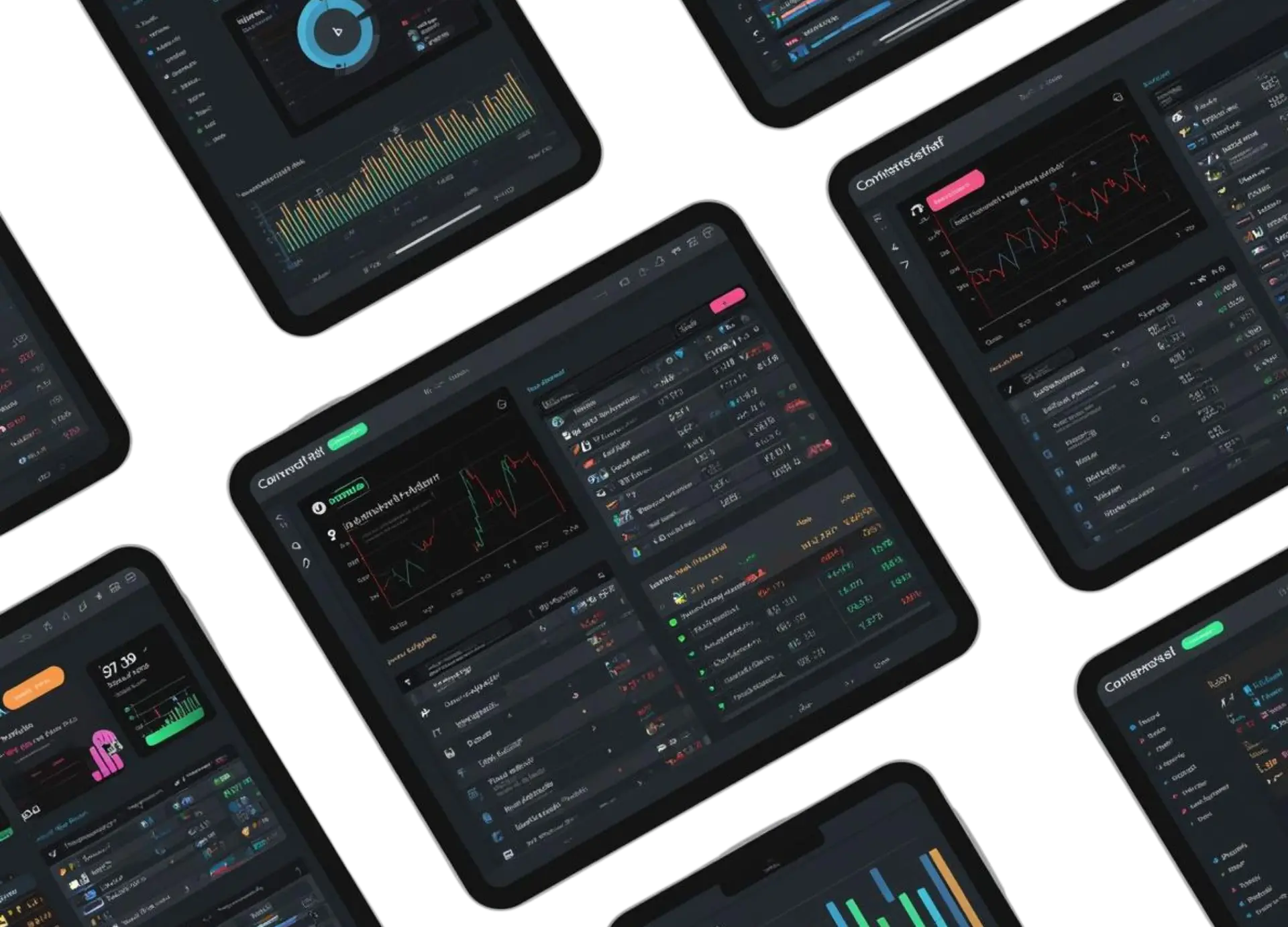
We partnered with a leading global bank to address growing operational risk and inefficiencies caused by over 3,000 uncontrolled spreadsheets and end-user-developed tools across 300+ employees.
Through a structured citizen development programme built on Microsoft Power Platform, we enabled teams to replace fragmented workflows with secure, governed applications and automated processes.
The result was a measurable shift in performance and risk. The bank established a scalable, governed approach to innovation, reducing IT bottlenecks while enabling continuous, business-led improvement.
Employer Training Uptake
0%Service
We enable your team to confidently manage, extend and govern your platform over time.
Service
Helping you define the right architecture and platform strategy before committing to build.
Technology
We build internal applications that integrate seamlessly with your web platform and operational systems.
Technology
We will turn platform data into structured reporting and real-time operational insight.

AI should not exist as an isolated tool. It works best when integrated with the broader technology environment that supports organisational operations.
Our AI implementations are designed to connect with:
By aligning AI capabilities with the wider technology ecosystem, organisations gain practical benefits while maintaining control over their systems and data.
AI Implementation
An AI consultancy helps organisations design, implement and integrate artificial intelligence into their operations. This includes identifying use cases, structuring data, defining governance, and building AI systems that support real business processes rather than isolated experiments.
Organisations typically invest in AI when manual processes begin to limit efficiency, data becomes difficult to manage, or decision-making lacks visibility. AI is most effective when there are clear workflows, accessible data, and defined operational use cases.
Common AI use cases include customer support automation, internal knowledge assistants, workflow automation, data analysis and reporting. These applications allow organisations to improve efficiency, reduce manual workload, and gain better insight into operations.
The most effective approach is to start with a focused use case where AI can deliver clear value, such as customer support, internal knowledge, or reporting, and expand from there.
AI delivers value when it is aligned with operational processes, supported by structured data and integrated into existing systems. Focusing on practical use cases and strong architecture ensures AI improves efficiency rather than adding complexity.
Start with a clearly scoped use case, reliable data for that workflow, and governance agreed with stakeholders. Pilot, measure outcomes, then expand, rather than broad experimentation without operational alignment.
AI systems must operate within defined governance frameworks. This includes controlling data access, managing permissions, monitoring outputs and ensuring AI uses trusted data sources. Security and compliance are built into the architecture rather than added later.
Yes. AI solutions can integrate with enterprise systems such as CRM platforms, data warehouses, internal applications, and reporting tools. This allows AI to support real workflows and interact with operational data.
AI requires structured, reliable data. Organisations often need to organise and consolidate data before AI systems can deliver meaningful results. Poor data quality is one of the main reasons AI projects fail.
AI should be embedded into workflows and systems rather than introduced as a standalone tool. By integrating AI with operational processes and data environments, organisations ensure it delivers practical, ongoing value.
Many organisations combine both. Products such as Microsoft Copilot can unlock productivity within Microsoft 365; custom AI is often needed for regulated workflows, deep integration or proprietary data. The right mix depends on governance, security and use-case complexity.
AI implementation is the process of introducing artificial intelligence into business systems and workflows to automate tasks, improve decision-making and support operations.
Still have questions? Contact Us
If you are exploring how artificial intelligence could support your organisation’s operations, data analysis or customer interactions, our team can help you assess the opportunity. In this session we will review your current systems, data environment and potential AI use cases within your organisation.
Complete the form below to arrange a conversation with one of our technologists.